

Pioneering Physician-Scientist Delivers 2026 Nemmers Prize Lecture
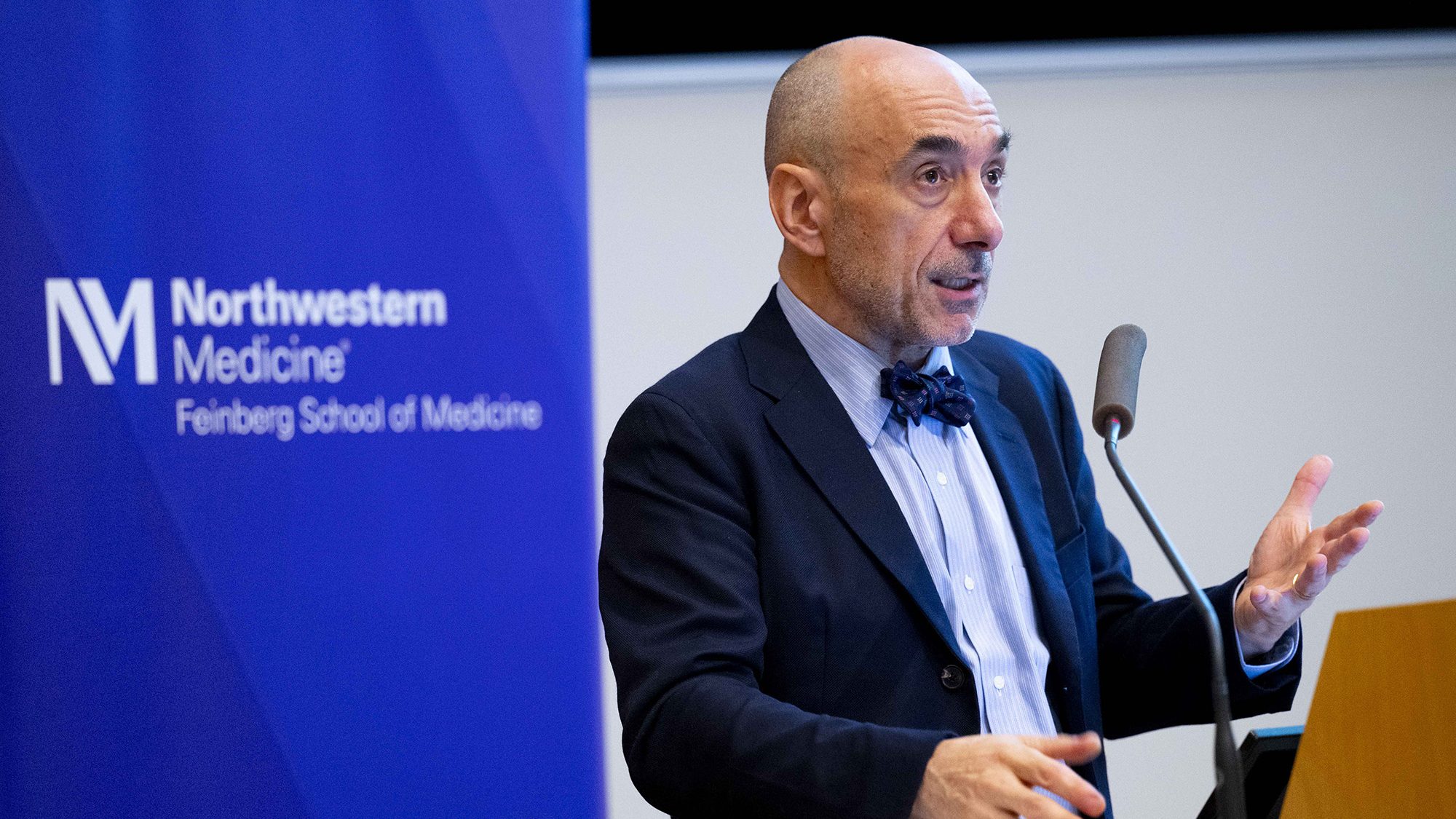
Jean-Laurent Casanova, MD, PhD, the recipient of the 2026 Mechthild Esser Nemmers Prize in Medical Science, known for his discovery of human genetic and immunological determinants of infectious diseases, visited campus to deliver the Nemmers prize lecture on September 30.
The Nemmers Prize in Medical Science is awarded to a physician-scientist whose body of research exhibits outstanding achievement in their discipline as demonstrated by works of lasting significance and is selected by a jury of distinguished scientists from across the country.
Casanova, who is now the head of the Laboratory of Human Genetics of Infectious Diseases and Marilyn R. Corrigan Distinguished Chair in Pediatric Research at the University of Texas Southwestern Medical Center, built his research lab around what he calls the “infection enigma,” a problem posed at the turn of the 20th century. His research aims to understand why some children and adults develop a life-threatening illness in the course of primary infection, while most people exposed to the same microbe remain unharmed.
Casanova and his lab have discovered the rare and common genetic causes of more than 20 severe infections, including severe COVID-19 pneumonia, severe influenza pneumonia, herpes simplex virus encephalitis, tuberculosis and others, which have changed how severe infections are understood and treated.
This work was done over 30 years when Casanova was head of the Laboratory of Human Genetics of Infectious Diseases at the Necker Hospital for Sick Children in Paris and Rockefeller University in New York City; Casanova is also an investigator of the Howard Hughes Medical Institute.
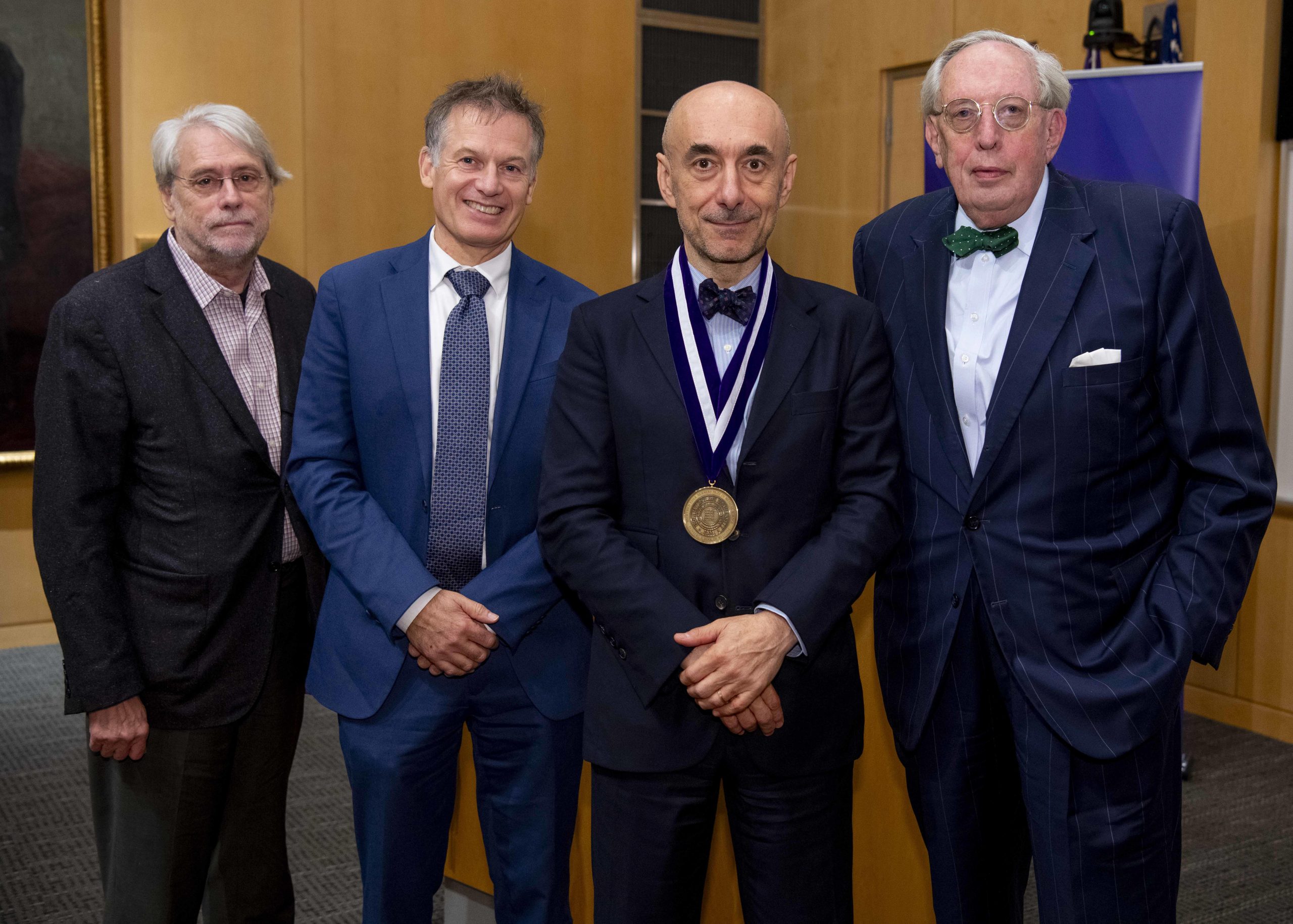
Rex Chisholm, PhD, vice dean for Scientific Affairs and Graduate Education, welcomed attendees to this year’s lecture and introduced Casanova.
“We have a great opportunity today to hear from an exceptional physician-scientist whose groundbreaking discoveries have transformed our understanding of infectious diseases and why some infections become life-threatening,” Chisholm said.
As he began his lecture, Casanova said that he was inspired by the early work of plant geneticists who studied wheat and other plant species. He said he was curious to see if his lab could document the genetic causes of disease in humans.
Casanova referred the work of Stuart Orkin, a previous Nemmers prize winner, who identified monogenic inborn errors of immunity to infection. This research inspired his lab’s next steps, focusing on patients with a single infection.
“One of our biggest breakthroughs came during COVID-19,” Casanova said. “We turned our attention to discovering the cause of death from COVID-19, at the molecular and cellular level.”
It was during the pandemic that Casanova said his team identified harmful autoantibodies that attacked a component of host defense instead of the virus. The team first found that rare genetic mutations prevented some people from producing type I interferons or responding to them. They then discovered that autoantibodies blocking type I interferons, which are crucial for fighting viral infections, could bear the same consequences.
“From there we wondered could these autoantibodies be behind other infections?” Casanova said. “We now know that the cause of disease precedes infection.”
The research is ongoing to identify why some people have these autoantibodies and why the risk for severe infection gets worse with age.
To conclude the lecture, Eric G. Neilson, MD, vice president for Medical Affairs and Lewis Landsberg Dean, presented Casanova with a medallion to recognize his reception of the 2026 Nemmers Prize.
About the Nemmers Prize
The Mechthild Esser Nemmers Prize in Medical Science, which carries a $350,000 stipend, was made possible by a generous gift to Northwestern by the late Erwin Esser Nemmers and the late Frederic Esser Nemmers. A jury of distinguished scientists from around the country made the final selection.
Listen to an episode of the Breakthroughs podcast featuring Jean-Laurent Casanova, MD, PhD, recipient of the 2026 Nemmers Prize.
Legal Disclaimer:
EIN Presswire provides this news content "as is" without warranty of any kind. We do not accept any responsibility or liability for the accuracy, content, images, videos, licenses, completeness, legality, or reliability of the information contained in this article. If you have any complaints or copyright issues related to this article, kindly contact the author above.
